
Hotel managers read the same reviews repeatedly. Great location and clean rooms and comfortable beds and nothing to do in the evening except watch television.
Traditional in-room entertainment means cable TV with channels nobody watches and maybe a few streaming services. Guests already have these at home and your room offers nothing they cannot get elsewhere.
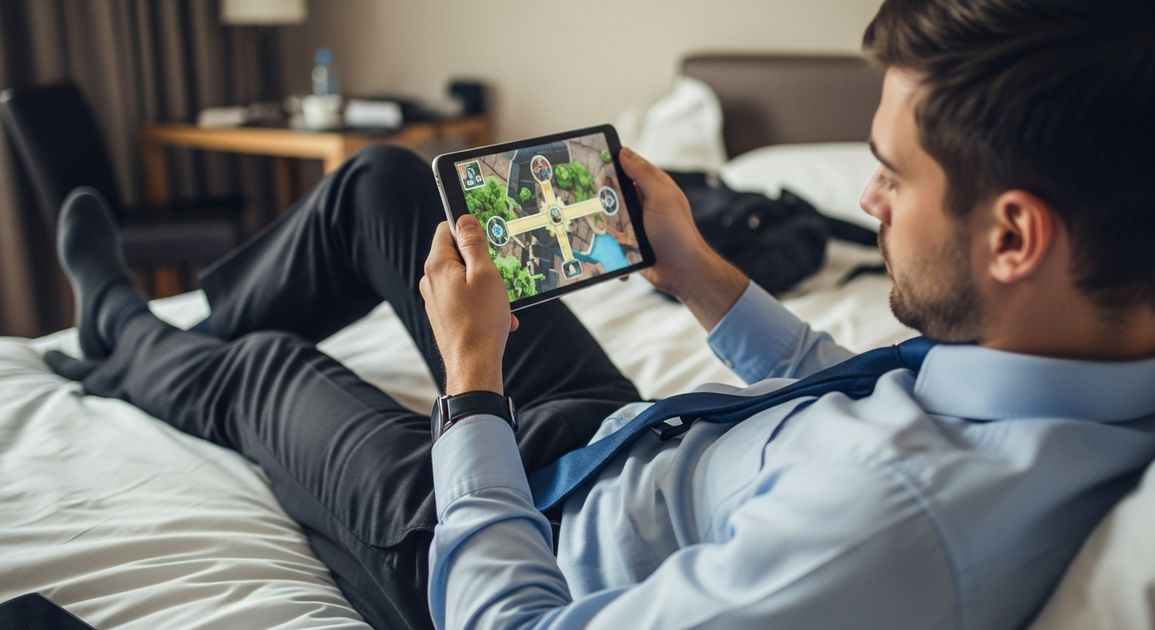
Interactive games on in-room tablets change this completely. Guests engage with something unique and remember the experience. Reviews mention the entertaining amenity and satisfaction scores improve because you gave them something unexpected.
Understanding Standard Entertainment Limitations
Cable TV feels dated to most guests. They expect streaming services and content on demand. Flipping through channels belongs to a previous decade.
Streaming services create complications. Login management becomes messy and guests enter credentials that persist for the next person. Privacy concerns emerge and technical support calls increase.
Business travellers spend hours in rooms. After meetings they return exhausted and want relaxation. TV provides passive consumption and the room feels unstimulating.
Families struggle with children in hotel rooms. Kids get restless and parents need something to occupy them. TV works temporarily and the lack of activities creates stress.
What In-Room Games Actually Achieve
Games create active engagement. Guests interact with content and make choices and solve challenges. This active participation beats passive TV watching for satisfaction.
Unique amenities become talking points. Guests mention interesting features in reviews and photograph novel offerings. Games provide this shareable moment.
The tablet serves multiple purposes. Games are one function and you can include local recommendations and provide dining suggestions and offer room service ordering. The device becomes central to guest experience.
Downtime becomes productive entertainment. Business travellers play during evenings and families entertain children and couples find shared activities.
Game Formats for Hotels
Local trivia games teach about the area. Questions about city history and challenges involving local landmarks and information about nearby attractions. Guests learn whilst playing and discover places to visit during their stay.
A hotel in Edinburgh created a game featuring questions about the city's literary history and famous architecture and local food traditions. Guests played before dinner and used the information to choose restaurants and plan next day activities. Reviews mentioned learning about the city through the game and several guests returned specifically for the experience.
Puzzle games suit varied attention spans. Someone might play for five minutes before dinner and another person spends an hour solving challenges. The game adapts to different usage patterns.
Multiplayer options create family bonding. Parents and children compete and couples challenge each other. The shared activity improves the stay experience.
Relaxation focused games match hotel contexts. Calm puzzle experiences and meditative challenges. Nothing frantic or stressful. The gameplay complements the rest purpose of hotel stays.
Cultural Connection Through Games
Games showcasing local culture create memorable stays. A boutique hotel in Cornwall developed a game about Cornish myths and legends. Guests explored stories about piskies and giants whilst solving puzzles. The game featured local dialect words and historical facts about mining heritage and coastal traditions.
Guests arrived knowing little about Cornish culture. They left with genuine appreciation for local traditions. Reviews mentioned the educational value and several guests visited museums and heritage sites because the game sparked their interest.
Food focused games work brilliantly in areas known for cuisine. A hotel in Yorkshire created a game where guests matched traditional dishes to their ingredients and learned about local food history. Players discovered the origins of Yorkshire pudding and the tradition of Sunday roasts and the importance of rhubarb to the region. Many guests then ordered these dishes at the hotel restaurant having learned their significance.
Art and architecture games suit hotels in historic areas. Guests identify architectural styles visible from their windows. They learn about famous artists who lived locally. They discover the stories behind buildings they pass daily. This transforms sightseeing from random wandering into informed exploration.
The games become unofficial tour guides. Guests explore your area with context and understanding. They appreciate what they see more deeply. They return to the hotel with stories and questions. The experience feels richer.
Accessibility Features
Games must work for all guests. Screen reader compatibility allows visually impaired guests to play. Text size adjustment helps guests with vision challenges. Colour blind friendly palettes ensure everyone can distinguish game elements.
Audio alternatives to visual cues accommodate different needs. Games with timing elements need pausable modes for guests who need more time. Touch targets sized generously work for guests with motor difficulties.
Multiple language options welcome international guests. The game interface appears in their preferred language. Instructions translate automatically. This removes language barriers to entertainment.
A London hotel implemented accessible games and received feedback from guests with disabilities. They mentioned finally finding hotel entertainment they could actually use. Reviews highlighted the inclusive approach and the hotel gained reputation for accessibility.
Privacy Protection
No personal data required at all. Guests tap the screen and start playing immediately. No account creation and no email addresses and no names. Complete anonymity protects privacy.
Nothing persists between guests. Each new guest finds a fresh tablet with no trace of previous users. No saved games carrying over and no high scores showing other people's names and no login screens with previous credentials.
This privacy focus appears in reviews. Guests mention feeling comfortable using tablets because no personal information was requested. The seamless anonymous experience creates trust.
Digital checkout through the same tablet maintains this privacy. Guests review charges and confirm details and complete departure without providing information multiple times. The process respects their data whilst streamlining service.
Technical Implementation
Tablets need commercial grade quality. Consumer devices fail in hotel environments where constant use wears them down. Invest in hospitality rated hardware.
Docking stations keep devices charged. Guests should find tablets ready to use. Dead batteries create poor impressions. Magnetic charging docks work well.
Room specific content management matters. Each tablet needs updating remotely and games get refreshed centrally. No visiting individual rooms for maintenance.
WiFi quality determines everything. Laggy games frustrate guests. Invest in proper connectivity and test in actual rooms under typical usage conditions.
Digital Checkout Integration
The same tablet used for games becomes the checkout device. Guests finish playing and then review their bill and confirm charges and complete departure formalities. The transition feels natural.
This integration reduces front desk queues. Guests check out from their rooms at their convenience. They avoid waiting in the lobby with luggage. The process respects their time.
Early morning departures benefit enormously. Guests leaving at 5am for flights can complete checkout without waking staff or waiting for the desk to open. The tablet handles everything smoothly.
Reviews mention this convenience frequently. Business travellers especially appreciate the time savings. Families with children value avoiding lobby waits whilst managing tired kids and bags.
Measuring Success
Track review mentions of in-room entertainment. Count positive comments about amenities and see whether games get mentioned specifically. Look for references to cultural learning and local discovery.
Monitor overall satisfaction scores. Compare ratings before tablets and after. Good implementations show measurable improvements in guest experience.
Watch usage analytics. How many guests play games and how long do sessions last and which games get played most. Track which cultural content generates most engagement.
Survey guests directly about the tablets. Ask whether they used them and did they enjoy the experience and would they mention it to others. Ask specifically about the local culture content and whether it influenced their activities.
Staff observations matter. Housekeeping notices whether tablets get used and front desk hears guest comments about local discoveries made through games.
Common Implementation Challenges
Buying cheap consumer tablets creates problems. They break within months and hospitality environments destroy fragile devices.
Forgetting to train staff creates support issues. Housekeeping must know how to check tablets and front desk needs troubleshooting knowledge and engineers require technical training.
Placing tablets poorly reduces usage. Inconvenient locations and difficult to reach and uncomfortable to use. Placement determines whether guests engage.
Allowing content to stagnate reduces interest. The same games for years bore returning guests. Rotate content quarterly and keep the experience fresh. Update cultural content to reflect new local attractions and seasonal events.
Forgetting about cleaning protocols creates hygiene concerns. Tablets get touched constantly and need sanitising between guests. Make this part of room turnover procedures.
Integration with Hotel Services
Use tablets for service requests. Order room service through the device and request housekeeping and contact concierge. The tablet becomes a service hub.
Display local recommendations alongside games. Suggest restaurants featured in the cultural games and highlight attractions mentioned in trivia. Provide maps marked with locations from game content. The device informs whilst it entertains.
Collect feedback via tablets. Simple surveys after checkout and quick ratings during stays. Guests provide input easily about both games and their overall experience.
Promote hotel amenities through the interface. Showcase the spa and advertise the restaurant and mention upcoming events. Link these to cultural themes when relevant.
Where This Approach Thrives
Properties with longer average stays benefit most. Business hotels where guests spend multiple nights and resort hotels where families stay for weeks. The cultural content becomes more valuable with extended stays.
Upscale establishments match tablet quality to overall service level. Four and five star properties need premium implementations. The amenity must align with guest expectations.
Family focused properties see strong value. Children need entertainment and parents appreciate quiet activities. The tablets solve real guest pain points whilst teaching kids about local culture.
Properties in culturally rich areas gain enormous advantage. Hotels in historic cities and regions with strong traditions and areas known for arts or cuisine. The local content creates genuine differentiation.
Alternative Approaches for Different Situations
Budget hotels with short stays rarely justify tablets. Guests arrive late and leave early. Room time is minimal.
Properties with exceptional alternative amenities need tablets less. Resort with extensive activities and hotel with amazing pool and spa. Guests stay busy outside rooms.
Very small properties face different economics. A ten room boutique hotel might better invest in personalised service and direct cultural recommendations from staff.
Choosing Your Approach
Calculate your current guest satisfaction with in-room entertainment. Check review mentions and look at survey feedback. See whether guests complain about lack of local information.
Consider your guest demographics. Business travellers appreciate entertainment and families need child activities and leisure guests want local discovery. All benefit from cultural content.
Think about your competitive set. What amenities do comparable properties offer and are you falling behind on guest expectations. Does your area have untapped cultural stories guests would enjoy learning.
Review your average length of stay. Longer stays mean more opportunity for tablet usage and deeper engagement with cultural content. Quick overnight stops see less engagement.
Assess your location's cultural richness. Hotels in areas with deep history and strong traditions and notable cuisine gain more from cultural games. Generic locations need different content approaches.
Hotel rooms need to offer more than beds and bathrooms. Guests expect engaging amenities and traditional TV struggles to impress. Interactive games create memorable experiences that drive positive reviews.
The cultural connection transforms passive entertainment into active discovery. Guests learn about your area through play and then explore it with understanding. They appreciate local traditions and try regional food and visit recommended sites. The game becomes their personal tour guide.
Your rooms currently offer standard entertainment. Tablets give guests something unique and engaging and educational. That difference transforms a forgettable stay into a memorable experience that guests talk about and share with others. They leave understanding your area and wanting to return.